Monday, July 30, 2018

10 Fantastic Benefits of Fermented Foods To Your Gut
The Benefits of Fermented Foods

In nutrition world, there are tons of opinions over the “best” way to eat or “benefits fermented foods.”
Some say: “Low fat, whole grains!” Others say, “High fat, low carb!”… “Grassfed meat!” Or “No meat!” … “Fresh fruit!” “No sugar (including fruit)!”… “Butter coffee!” “Caffeine free!”
There are very few universal nutrition “laws” everyone can agree on, except for these:
- Water is essential
- Veggies are good for you
- Fermented foods are REALLY good for you
Fermented Foods 101
Fermented foods are a “code name” for probiotic-rich foods.
Fermented foods are vegetables, fruits, condiments, meats, beverages, dairy and even some grains and nuts that are “cultured” or “preserved” and then transformed into natural sources of probiotics (healthy gut bacteria).’’
Humans have consumed fermented foods since the beginning of time. Without knowing anything about gut bacteria, our ancestors recognized the therapeutic qualities of these foods for staying healthy. Additionally, practically all contemporary hunter-gatherers that have been studied also consume some kind of fermented foods—even without a Whole Foods’ cold case full of kombucha accessible.
What Are Types of Fermented Foods?
Most people think about beer or wine when they hear the word “fermented.”
However, unlike beer and wine, the probiotic-rich fermented foods we are talking about here are “lacto-fermented,” meaning these foods contain a specific species of bacteria, namely Lactobacillus (the type of bacteria packaged in many supplements on shelves and common to the digestives system, mouths, and vaginas of humans).
Some examples of fermented foods include:

- Condiments: ketchup, mayo, mustard, relish
- Dairy: Cheese, buttermilk, sour cream, yogurt
- Honey
- Pickled Cucumbers/Pickles
- Kefir (coconut, water, milk)
- Kimchi
- Kombucha
- Kvass
- Sauerkraut
- Sourdough
- Soy: miso, tempeh, and natto
- Vegetables & Fruits (carrots, beets, sweet potatoes, green beans, apples, pears, and any other veggie or fruit that’s specially prepared)
CAUTION: NOT all veggies, dairy, soy, fruits, sourdough or even kombuchas are fermented or contain probiotics! Most fermented foods sold in grocery stores or cans have been pasteurized and cooked at high heat, killing any friendly bacteria.
The best bet? Make your own, or check out my favorite recommended brands below.
Why Are Fermented Foods “Good” For You?”
Four words: Healthy gut. Healthy YOU.
A healthy gut is a happy gut.
Since fermented foods are like nature’s probiotics of lactobacillus strains, eating fermented foods promotes healthy gut bacteria and more bacterial diversity in the gut for most people.
10 Benefits of Fermented Foods
Here are 10 benefits of eating fermented foods for most people* (13, 14):
Fermented foods….

- Help boost digestion
- Make your skin glow
- Decrease allergies & boost your immune system
- Help with nutrient absorption
- Boost metabolism & hormone balance
- Boost your mood & brain clarity
- Regulate your appetite & reduce sugar cravings
- Decrease inflammation
- Give your body energy
- Help your body cleanse and detox
How Does Fermented Food Get “Good Bacteria?”
The process of fermentation involves allowing the fresh foods of choice to sit at room temperature in a jar or fermentation container, along with a “starter” of choice, like sea salt, whey from grass-fed dairy or brine (water and salt).
Over time (3 days to 4 weeks), bacterial cultures begin to accumulate in your fermented food products. In fact, the longer a fermented food sits to ferment (2-4 weeks), generally, the more bacterial rich your foods are.
Remind Me…Why Good Bacteria So Important Again?!
Your gut microbiome is home to over 100 trillion gut bacteria. We are more bacteria than we are human.
Without gut bacteria you would cease to exist, and our gut bacteria are responsible for dictating how the processes of how every system, cell, organ and function in our body work.
The overall health of your gut influences the health of every other body system that comprises you , including:
- Cognitive funciton (1)
- Blood sugar (2)
- Digestion (3, 4)
- Energy levels (5)
- Hormone balance (Fertility, PMS, PCOS, Menopause) (6)
- Immune function (Allergies, autoimmune conditions, colds, flus, illness) (7)
- Metabolism (8)
- Skin health (9)
- Thyroid health (10)
- Weight (11)
- And more! (12)
Your gut bacteria metabolize nutrients from food, supplements and certain medications; govern your immune system function to protect your body against infections and disease; produce hormones; and send signals to the brain.
If your gut bacteria is healthy, than these processes work as they should. If your gut bacteria is unhealthy, than these processes are not in tip top shape.
How Do Gut Bacteria Become Unhealthy?
A lot of the bacteria in your gut is “good” (“healthy”), but some of the gut bacteria is “bad” (or pathogenic). Collectively, the good and bad gut bacteria make up the “gut microbiota.”
Ideally, you want more good bacteria (i.e. a healthy gut microbiota), than pathogenic bacteria (unhealthy gut microbiota). In addition, the MORE diverse your gut bacteria (i.e. different types or “strains” in your gut microbiota), the happier, healthier gut environment overall.
Unfortunately, thanks to our modern day lifestyles, the health of our gut bacteria are constantly threatened.
Some common stressors and triggers to unhealthy gut bacteria include:
- Antibiotic use
- C-section baby or formula fed
- Chronic stress
- Circadian rhythm dysfunction (screen exposure all day; light pollution; erratic sleeping habits)
- Eating the same thing most days
- Environmental toxins (cleaning, beauty, hygiene supplies; air pollutants; GMO’s, etc.)
- Food poisoning
- High sugar and carbohydrate consumption
- Illness and infections
- Industrial seed oils (frequent restaurant eating)
- Lack of sleep
- Longterm medication use
- Long term low fat diets
- Low pre-biotic fiber diets
- Nutrient deficient diet
- Oral contraceptives
- Packaged, processed & refined foods
- Poor food hygiene (eating fast, on the go)
- Sedentary lifestyles
- Standard American Diet
- Surgical procedures
- Travel to a different country
Although your body and immune system is strong to combat some stress, the more stress thrown your gut’s way, the worse off it is in the long run for bacterial balance. Your gut bacteria just can’t keep up.
Eventually gut bacteria may become “imbalanced” or “dysbiotic”—reflecting an overpowering of more bad bacteria than good. You may also suffer from conditions like: small intestinal bacterial overgrowth (SIBO), parasitic infection, yeast or fungal overgrowth, bacterial infection, IBD (autoimmune bowel disease) and the side effects that come with an unhealthy gut microbiome.
How Do I Know if My Gut Bacteria is Bad?
Common side effects or signs that you have “unhealthy” or “imbalanced” gut bacteria include:
- “Adrenal fatigue”
- Allergies
- Blood sugar control issues
- Difficulty losing or gaining healthy weight
- GERD
- GI discomfort (constipation, bloating, gas)
- Heart disease markers
- High cholesterol
- Hormone imbalances (infertility, PMS, PCOS, “crazy” menopause symptoms)
- Poor appetite
- Poor immune function (get sick often)
- Skin problems
- Slow or super fast metabolism
- Thyroid problems
What to Do About Unhealthy Gut Bacteria?
Back to eating fermented foods!
Fermented foods are one of the essential weapons to arming your gut for healthy gut bacteria success.
Aim to eat 1-2 condiment sized portions of fermented foods each day, with meals. Incorporate a variety of these foods.
The cheapest and easiest way to get in your fermented foods?
Make them yourself!!
3 Easy Steps to Make Fermented Foods at Home
Making fermented foods at home is a “cooking” practice as old as time. It is super easy to do!
Here’s all you need to know:
Different foods require a bit of a different process and supplies.
-
- Fermented Veggies:
-
- tightly sealed large mason jar(s)-quart sized
- sea salt
- fresh vegetables
- spices of choice: 1 tbsp. caraway, cloves &/or mustard seeds for veggies
- Optional: starter culture
-
- Fermented Fruits
-
- tightly sealed large mason jar(s)-quart sized
- sea salt
- fresh fruits of choice (peach, pear, apples, diced)
- Lemon juice (5 lemons juiced or ¼ cup lemon juice)
- spices of choice: 1 tbsp. cinnamon, nutmeg, cloves
- Optional: starter culture
-
- Kefir
-
- tightly sealed large mason jar(s)-quart size
- 1-2 tbsp. “starter” (kefir grains or cultures, buy HERE)
- grass-fed, organic and/or raw milk (cow or goat)
- A breathable cover for the jar such as a tight-weave towel, butter muslin, paper towel, or paper coffee filter
- Rubberband
-
- Kombucha:
-
- large glass container with a wide bottom
- “SCOBY”
- ½ cup mature acidic kombucha (like Health-Ade brand)
- 1 quart/liter filtered water
- black tea- 1 tbsp. Loose or 2 tea bags
- organic cane sugar- ¼ cup
- Cloth to cover top of bottler
-
- Yogurt
-
- mason jar with tight cap
- 16 oz. coconut milk or grass-fed, organic milk (cow, goat)
- 2 quality probiotic capsules (like these)
-
- Fermented Veggies:
No long meal prep time needed. Click on each ferment for the recipe and follow the directions:
Fermented Veggies
- In a large, bowl, mix grated/shredded veggies, 2 tbsp. Sea Salt
- Pound with a wooden pounder or a meat hammer for about 5-10 minutes to release juices
- Place in a quart-sized, wide-mouth mason jar and press down firmly with a pounder or meat hammer until juices come to the top of the veggie or fruit. The top of the cabbage should be at least 1 inch below the top of the jar.
- Cover tightly and keep at room temperature for about 3 days before transferring to the refrigerator. The veggies or fruit may be eaten immediately, but it improves with age.
Fermented Fruits
- Combine the chopped fruit, sea salt, lemon juice, and spices together.
- Place the mixture little by little in your fermentation jar, pounding it vigorously to
release the juices. - Make sure the mixture fills the jar up to no more than 1 inch below the top (because of the expansion) and that the extracted water covers the mixture. If not, create a brine of filtered water with a few pinches of salt to cover the mixture.
- Press the fruits and keep them under the brine by placing a plate or a lid on top weighted down by a boiled rock, plate, or a jug of water. Cover with a clean towel if needed to keep out fruit flies.
- Place the fermentation jar in a warm spot in your kitchen and allow the fruit to ferment for 2 to 4 days.
- Check on it from time to time to be sure that the brine covers the fruit and to remove any mold that may form on the surface.
- . A good way to know when it’s ready is to taste it during the fermentation process and move it to the refrigerator when you’re satisfied with the taste.
Kefir
- Pour milk into jar along with starter cultures (kefir grains)
- Stir
- Cover with a cloth
- Let sit at room temp for 24 hours in a cool, dark place (like a turned-off oven)
- After the milk changes texture and culturing is complete, separate the kefir grains from the finished kefir.
- Place the kefir grains in a new batch of milk.
- Cover lid and store in fridge
Kombucha
- Mix water and sugar and bring to a boil in a small cooking pot.
- Turn off the heat; add tea, cover, and steep about 15 minutes.
- Strain the tea into a glass container with a wide bottom
- Allow the tea to cool to body temperature.
- Add the mature acidic kombucha.
- Place the SCOBY in the liquid, with the firm, opaque side up.
- Cover with a cloth and store in a warm spot, ideally 70 to 85 degrees F.
- After a few days to 1 week, depending on temperature, you will notice a skin forming on the
surface of the kombucha. Taste the liquid. It will probably still be sweet. The longer it sits, the more acidic it will become.
Yogurt
- Pour milk of choice into jar along with probiotic powder from capsules
- Stir
- Cover with a lid
- Let sit at room temp for 24-48 hours in a cool, dark place (like a turned-off oven)
- Store in fridge
Lazy Chef Route
Don’t feel like making your own? No sweat! Here are some of the top brands to check out with that “just right” fermented taste and consistency :
- Local farmer’s market
- Fermented Veggies: Farmhouse Culture’s
- Kombucha: Health Ade
- Kefir: Maplehill Creamery
How Long Do Fermented Foods Last?
Fresh fermented foods are best consumed within 1-3 months of making them or buying them, and you can tell if they’ve lost their good bacterial properties based on 3 factors:
- Do they smell stinky?
- Is there mold on them?
- Have they changed colors?
- Do they taste “flat” (non-acidic)
To ensure your fermented foods last as long as possible, here are few factors that extend the life of ferments:
- Temperature – When a ferment is to your taste liking, this is why it gets moved to the refrigerator. The cold temperature slows down the decomposition process and keeps it from fermenting further.
- Acid – When most homemade ferments reach their best level, acid is formed that helps to preserve them. This is what makes fermented foods taste sour.
- Anaerobic Environment – Keep out the oxygen by keeping your ferments tightly sealed! Mold loves oxygen.
Essential Fermented Foods Resources
Want to dive in more? Check out these websites to find recipes and all you need to know!
Equipment & Starters
Websites
*Question: Why Do Fermented Foods Make Me Feel Bad?
Fermented foods are healthy for most people. However, some people find they cannot tolerate fermented foods.
This is often because they have an underlying gut bacteria imbalance or dysfunction to begin with. For instance, if you have SIBO (small intestinal bacterial overgrowth) or a yeast infection, like Candida, you may find fermented foods make you feel worse—not better.
Why?!
Fermented foods contain natural sugars and bacteria strains that can further perpetuate bacterial imbalances if you already have a lot of gut bacteria (SIBO) or yeast that LOVES to feed off sugar.
In these cases, it’s advised you FIRST address the underlying gut pathology (like SIBO or Candida) and integrate fermented foods on a per-food, as-you-feel basis.
For instance, kombucha has quite a bit of sugar in it, so it typically is not advised for those with yeast infections. Sauerkraut and apple cider vinegar on the other hand, in condiment-sized servings, may be better tolerated due to the low sugar and gentle digestive natures of these foods.
It’s all about finding what works for you. Fermented foods can still do a body good, but it is crucial to fix the underlying gut issue in conjunction.
How Do I Eat Fermented Foods?
How Do I Easily Make Them at Home?
Sources
1. Mayer, E. A., Knight, R., Mazmanian, S. K., Cryan, J. F., & Tillisch, K. (2014). Gut Microbes and the Brain: Paradigm Shift in Neuroscience. The Journal of Neuroscience, 34(46), 15490–15496. http://doi.org/10.1523/JNEUROSCI.3299-14.2014
2. Kristina M. Utzschneider, Mario Kratz, Chris J. Damman, Meredith Hullarg; Mechanisms Linking the Gut Microbiome and Glucose Metabolism, The Journal of Clinical Endocrinology & Metabolism, Volume 101, Issue 4, 1 April 2016, Pages 1445–1454, https://doi.org/10.1210/jc.2015-4251 & Tai, N., Wong, F. S., & Wen, L. (2015). The role of gut microbiota in the development of type 1, obesity and type 2 diabetes mellitus. Reviews in Endocrine & Metabolic Disorders, 16(1), 55–65. http://doi.org/10.1007/s11154-015-9309-0
3. Cao et al. 2017. Dysbiosis contributes to chronic constipation development via regulation of serotonin transporter in the intestine. Scientific Reports. 7: 10322. https://www.nature.com/articles/s41598-017-10835-8
4. Lawrence, K., & Hyde, J. (2017). Microbiome restoration diet improves digestion, cognition and physical and emotional wellbeing. PLoS ONE, 12(6), e0179017. http://doi.org/10.1371/journal.pone.0179017
5. Nagy-Szakal et al. 2017. Fecal metagenomic profiles in subgroups of patients with myalgic encephalomyelitis/chronic fatigue syndrome. Microbiome. 5:44. https://doi.org/10.1186/s40168-017-0261-yhttps://microbiomejournal.biomedcentral.com/articles/10.1186/s40168-017-0261-y
6. Hadar Neuman, Justine W. Debelius, Rob Knight, Omry Koren; Microbial endocrinology: the interplay between the microbiota and the endocrine system, FEMS Microbiology Reviews, Volume 39, Issue 4, 1 July 2015, Pages 509–521, https://doi.org/10.1093/femsre/fuu010
7. Wu, H.-J., & Wu, E. (2012). The role of gut microbiota in immune homeostasis and autoimmunity. Gut Microbes, 3(1), 4–14. http://doi.org/10.4161/gmic.19320 & Hebbandi Nanjundappa, Roopa et al. A Gut Microbial Mimic that Hijacks Diabetogenic Autoreactivity to Suppress Colitis. Cell. 171: 3. 655 – 667.e17. https://www.cell.com/cell/fulltext/S0092-8674(17)31116-9
8. Institute of Medicine (US) Food Forum. The Human Microbiome, Diet, and Health: Workshop Summary. Washington (DC): National Academies Press (US); 2013. 4, Influence of the Microbiome on the Metabolism of Diet and Dietary Components. Available from: https://www.ncbi.nlm.nih.gov/books/NBK154098/ & P Lu, C P Sodhi, Y Yamaguchi, H Jia, T Prindle, W B Fulton, A Vikram, K J Bibby, M J Morowitz, D J Hackam. Intestinal epithelial Toll-like receptor 4 prevents metabolic syndrome by regulating interactions between microbes and intestinal epithelial cells in mice. Mucosal Immunology, 2018; DOI: 10.1038/mi.2017.114
9. Alexandra R Vaughn, Manisha Notay, Ashley K Clark, Raja K Sivamani. 2017. Skin-gut axis: The relationship between intestinal bacteria and skin health.World J Dermatol. 6(4): 52-58. doi: 10.5314/wjd.v6.i4.52 https://www.wjgnet.com/2218-6190/full/v6/i4/52.htm
10. Hedda L. Köhling, Sue F. Plummer, Julian R. Marchesi, Kelly S. Davidge, Marian Ludgate,
2017. The microbiota and autoimmunity: Their role in thyroid autoimmune diseases, Clinical Immunology. 183: 63-74. https://doi.org/10.1016/j.clim.2017.07.001. (http://www.sciencedirect.com/science/article/pii/S1521661616302194) & Patil, A. D. (2014). Link between hypothyroidism and small intestinal bacterial overgrowth. Indian Journal of Endocrinology and Metabolism, 18(3), 307–309. http://doi.org/10.4103/2230-8210.131155
11. Filip Ottosson, Louise Brunkwall, Ulrika Ericson, Peter M Nilsson, Peter Almgren, Céline Fernandez, Olle Melander, Marju Orho-Melander. Connection between BMI related plasma metabolite profile and gut microbiota. The Journal of Clinical Endocrinology & Metabolism, 01 February 2018 DOI: 10.1210/jc.2017-02114/4834036 & John et al. 2018. Dietary Alteration of the Gut Microbiome and Its Impact on Weight and Fat Mass: A Systematic Review and Meta-Analysis. Genes. 9: 167; doi:10.3390/genes9030167.
12. Quigley, E. M. M. (2013). Gut Bacteria in Health and Disease. Gastroenterology & Hepatology, 9(9), 560–569.
13. Marco et al. 2017. Health benefits of fermented foods: microbiota and beyond. Current Opinion in Biotechnology. 44: 94-102. https://www.sciencedirect.com/science/article/pii/S095816691630266X?via%3Dihub
14. Nevin Şanlier, Büşra Başar Gökcen & Aybüke Ceyhun Sezgin (2017) Health benefits of fermented foods, Critical Reviews in Food Science and Nutrition, DOI: 10.1080/10408398.2017.1383355
The post 10 Fantastic Benefits of Fermented Foods To Your Gut appeared first on Meet Dr. Lauryn.
Source/Repost=>
https://drlauryn.com/uncategorized/benefits-fermented-foods/ ** Dr. Lauryn Lax __Nutrition. Therapy. Functional Medicine ** https://drlauryn.com/
10 Fantastic Benefits of Fermented Foods To Your Gut via http://drlaurynlax.tumblr.com/
Friday, July 27, 2018
The Ultimate Guide to the GAPS Diet
The GAPS Diet
When you hear the word “diet” what comes to mind?
If you’re like most people, you instantly think “weight loss.”
However, the word “diet” actually means “a way of life”—and diets simply entail the foods we eat on the daily for our best health.
For some, the “diet” they follow actually means eating foods that help heal their body, if they are coming from a place of illness, disease or digestive distress.
“Therapeutic diets” can help one do just that.

Ever heard of GAPS diet? If not…read on about how food can be your medicine—especially if you struggle with anxiety, depression or digestive woes.
GAPS Diet 101
Back in the day, “paleo” used to be the only “real food” nutrition philosophy out there.
Fast forward to today, and we’re bombarded with all sorts of diet philosophies about “keto,” and “AIP” and “specific carbohydrate diet” and “GAPS”…But what’s the difference?
More than a weight loss approach, the above mentioned protocols are actually “therapeutic” or “healing diets”—designed to help treat disease, restore gut health
There’s a ton of different “healthy” and “gut-healing” diet protocols.
The “GAPS” nutrition protocol—also known as “Gut & Psychology Syndrome” protocol is a dietary strategy developed by Dr. Natasha Campbell-McBride when she was trying to find a cure and treatment for her son with autism.
After running into wall after wall with doctors who told her that her son would always be “that way,” Campbell-McBride began to turn to “food as medicine.”
She studied and observed the impact of certain foods on her son’s behavior and symptoms, and unbeknownst to herself at the time, began to become a leader in the “gut-brain” connection school of thought.
GAPS has become a leading a dietary treatment, designed to help individuals heal from their own struggles with neurological conditions, anxiety, digestive pathologies, autoimmune disease and general inflammation.
And the philosophy is quite simple:
Eat real food: Especially meat, fish, vegetables and healthy fats.
The diet progresses in stages, and eliminates a greater amount of inflammatory-causing foods in the beginning in order to support gut restoration.
The ultimate goal?
Reintroduction of a wide variety of foods, a healthier brain and a happier gut.
Win. Win. Win.
THE GAPS PROTOCOL: HOW IT WORKS
GAPS diet begins with a 6-stage “Introductory” phase that generally takes people 3-6 weeks to complete.
Each stage lasts about 5 days, and helps a person remove many common “trigger” foods (associated with poor gut health or brain function) in order to allow their body to heal their gut and mind, then slowly help them expand and reintroduce foods back in.
At the end of the “introductory” phase, you finally arrive to the “full GAPS diet”—which includes all the foods found here.
The primary foods GAPS eliminates throughout the entire course include those with the highest connections to gut and brain inflammation, digestive difficulties and poor brain power, including:
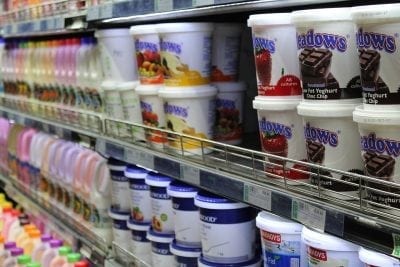
Dairy
Potatoes/Sweet Potatoes
Legume
Grains (rice, breads, pasta)
Sugar
Cocoa/Carob
Corn, Corn Syrup, Corn Starch
Chewing Gum
Jams/Jellies
Other food additives (carageenan, cellulose gum, MSG)
Conventional, processed deli meats and smoked meats
Soy
Some fruits* (FOS fructooligosaccharides; Pectin—like citrus, grapes, apples, plums)—*Consume in small amounts and notice if they bother you
The diet is not meant to last “forever”, but it is a therapeutic diet with the end goal to eat “in abundance.”
(Download the GAPS food list here)
A supplemental approach is often also recommended, entailing probiotics, hydrochloric acid (stomach acid), digestive enzymes and/or anti-microbial herbs to support gut healing.
GAPS may be followed independently, but it is best guided by a skilled and knowledgeable nutrition or functional medicine practitioner, familiar with treating and supporting gut health and restoration.
Here’s an overview of what foods each of the three GAPS stages includes and eliminates:
THE GAPS DIET PROTOCOL: INTRODUCTION STAGES 1-6 PROGRESSION
Each stage is intended to last 3-5 days and allow gut and mind healing to take place.
STAGE 1: Keep it Simple
Progress to the next stage every 3-5 days, as long as your body tolerates it:
Eat in Abundance
- Homemade meat stock (beef, lamb, bison, chicken, turkey, pheasant or fish)
- Stew or soup made with well cooked meats or fish and well cooked vegetables and meat stock
- Probiotic foods (homemade fermented vegetable juices and/or homemade fermented whey, yogurt or sour cream daily—1-2 tsp daily);
- Fresh ginger tea, chamomile tea with raw honey, if desired (and not dealing with bacterial overgrowth)
- Well boiled broccoli, cauliflower, carrots, onions, leeks
- Baked squash, winter and summer
- Boiled meats
- Sea salt
- Purified water*
*Start the day with a cup of still mineral or filtered water.
STAGE 2- Eggs & Fermented Foods
Eat in Abundance
Everything in Stage 1, plus:
Raw organic egg yolks & Soft boiled eggs if no allergy to the white is suspected
Stews and casseroles made with meats and vegetables.
Increase daily amount of homemade yogurt, kefir
Sauerkraut, fermented vegetables or vegetable medley if juice was initially introduced
Fermented fish
Ghee
STAGE 3-Pancakes
Eat in Abundance
Everything in Stages 1 & 2, plus:
Ripe avocado eaten with broth, starting with 1-3 teaspoons a day
Nutbutter* pancakes mixed with squash and eggs and cooked in fat or ghee — starting judiciously with one a day
Scrambled eggs
*Recipe below!

STAGE 4-“Bread” & Olive Oil
Eat in Abundance
All of the above and you may add:
Freshly made vegetable juices: start with a few tablespoons of carrot juice (made with a juicer — not pureed vegetables)
Bread* made with nut flour, eggs, squash, fat, salt
Cold pressed olive oil
*Recipe below!
STAGE 5-Raw Veggies + Grilled Meat
Eat in Abundance
All of the above, plus:
Raw legal vegetables, peeled and deseeded
Fresh applesauce from cooked and pureed apples
Raw honey, up to a couple tablespoons a day (that includes any that is in baked goods)
Boiled, roasted, or grilled meat
Juiced apple, pineapple, and mango (avoid citrus)
STAGE 6-Pumpkin Muffins + Fruits
All of the above and you may add:
Peeled, raw apple
Other raw fruits may be introduced slowly
Baked goods with dried fruit as a sweetener
GAPS PROTOCOL FOOD LIST
You’ve finally arrived!
Check out the GAPS Food download for all-you-can-eat foods, plus 3 bonus GAPS recipes .
SUPPLEMENT SUGGESTIONS
Probiotics
Prescript Assist
Primal Defense Ultra
Florasport by Thorne
Digestive Enzymes
Spectrazyme Complete
Transformation Enzymes
Fish Oil or Fermented Cod Liver Oil
Omega-genics
L-Glutamine Powder
Glutagenics
DISORDERED EATING?
When I first heard about the GAPS “diet,” the word “diet” had me completely turned off, with my fingers in my ears.
“La, la, la…I don’t want to hear it…”
However, as I have learned more about it, and implemented some of the principles myself for my own gut healing, I have discovered that the use of GAPS as “medicine” can be enormously impactful for some—especially those who have tried the whole “eating healthier” approach, only to still feel like their body is at war with them.
The thing is: GAPS diet is not intended to last a lifetime.
If you’re considering experimenting, it’s crucial to keep in mind that the ultimate goal of GAPS is not restriction, but abundance—first “wiping the slate clean” for optimal healing of the gut and mind, then, adding more nourishing foods that (hopefully) your body tolerates better than before.
Think: Growth and abundant mindset…Not restrictive.
HOW DO I KNOW WHERE TO START?
Your initial state of health will determine if the full-on 6-stage approach is warranted.
People who may benefit from the FULL GAPS include those with:
- Moderate-high chronic anxiety
- Autism spectrum disorder
- Sensory processing disorder
- SIBO (small intestinal bacterial overgrowth)
- Parasites in stool
- Dysbiosis (disrupted gut flora)
- Repeat Candida overgrowth
- Chron’s
- Ulcerative Colitis
- Chronic Diarrhea
- IBS/IBD
- Bi-polar
- Depression
- Those who have tried “gut healing” through supplements or “clean diet” changes with no luck
If you are generally healthy, but still experience some “digestive issues” (gas, bloating, constipation, allergies, low immunity), you can benefit from GAPS too, but you may not need to go through all 6 stages.
Instead of building up for 15-20 days to more solid foods and variety, consider a 24-hour broth and juice day, then hop into Stage 4 and finish it out from there. This will thoroughly rest a semi-functioning or lagging digestive tract.
THE BOTTOM LINE
5 Core GAPS Principles
- GAPS is a therapeutic diet to heal the body and mind. Use wisely.
- Meat broths, fermented foods, apple cider vinegar are your BFF’s
- Don’t forget to take a probiotic
- Keep it simple: Simple foods. End in mind. One day at a time.
- Eat in “abundance” (not restriction). Aim to integrate and expand your diet as your body heals).
Download your WORKSHEET here for a full GAPS food list, daily sample meal plans and ideas, and 3 exclusive recipes.
WORKSHEET
GAPS FOOD LIST
VEGETABLES
Artichoke
Arugula
Asparagus
Avocados
Beets
Bell Peppers
Bok Choy
Broccoli
Broccoli Rabe
Brussels Sprouts
Cabbage
Carrots
Cauliflower
Celery
Collards
Cucumbers
Eggplant
Fennel
Garlic
Green Beans
Jerusalem Artichoke
Kale
Mushrooms
Olives
Onions
Parsnip
Pumpkin
Radish
Romaine Lettuce
Seaweed
Spinach
Squash (summer and winter)
Tomatoes
Turnips
Watercress
FISH (Wild Caught only, NO Farm Raised)
Anchovies
Bass
Cod
Grouper
Haddock
Halibut
Herring
Mackerel
Mahi Mahi
Red Snapper
Salmon
Sardines
Seabass
Trout
Tuna
Walleye
NUTS AND LEGUMES (ideally sprouted or as nut butters)
Almonds (sprouted or as raw nut butter)
Brazil Nuts
Coconut (technically a drupe)
Hazelnuts
Lima Beans (soaked)
Macadamia
Navy Beans (soaked)
Pecans
Pine Nuts
Walnuts
Nut Butters
Nut flours (in moderate amounts – no more than ¼ cup a day)
FATS / OILS
(Organic Unrefined)
Avocado Oil
Almond Oil
Butter (pastured)
Coconut Oil
Flaxseed Oil
Ghee
Hempseed Oil
Macadamia Oil
Olive Oil
Sesame Oil
Palm Oil (sustainable)
Walnut Oil
DAIRY (raw, aged and grass-fed)
Goat Cheese (aged 60+ days)
Kefir (Cultured Goat Milk) (fermented 24+ hours)
Raw Sheep Cheese (aged 60+ days)
Sheep Yogurt (fermented 24+ hours)
Raw Cows Cheese (aged 60+ days)
Raw Cows amasai, kefir and yogurt (fermented 24+ hours)
MEAT (Organic, Grass-fed)
Beef
Bison
Bone Broth
Chicken
Duck
Eggs (free-range)
Lamb
Turkey
Quail and other wild game
Venison and other wild game
FRUITS – in moderation
Apple
Apricot
Banana
Blackberries
Blueberries
Cantaloupe
Cherries
Coconuts
Figs
Grapefruit
Grapes
Kiwi
Lemon
Lime
Mango
Nectarine
Orange
Papaya
Peaches
Pears
Pineapple
Plums
Pomegranate
Raspberries
Rhubarb
Strawberries
Watermelon (no seeds)
SPICES AND HERBS
Basil
Black Pepper
Cilantro
Coriander Seeds
Cinnamon
Cumin
Dill
Fennel
Garlic
Ginger
Mint
Parsley
Peppermint
Rosemary
Sage
Sea Salt
Tarragon
Thyme
Turmeric
CONDIMENTS
Apple Cider Vinegar
Coconut Vinegar
Sea Salt
FLOURS
Coconut Flour
Almond Flour
BEVERAGES
Almond Milk
Coconut Kefir
Coconut Milk
Herbal Teas
Raw Vegetable Juices
Sparkling Water
Spring Water (or Filtered)
Wine, in moderation
SWEETENERS – in moderation
Raw Honey
Dates made into paste
SAMPLE GAPS MEAL PLAN
*After Introductory Phase
After you’ve walked through the basic protocol, here are some ideas to begin to eat “in abundance” (again).
Pre-Breakfast
12-16 oz. Filtered Water with sea salt and lemon
Breakfast
Nut butter Pancakes with 1 Tbsp. Pure Maple
Pork Sausage (nitrate free)
Sauerkraut
Lunch
Chicken Salad*
Nut-based Crackers (homemade, or store bought, like Simple Mills)
Cold Pressed Green Juice
Dinner
Herb Crusted Salmon
Roasted Rainbow Carrots
Pan-fried Greens
OTHER GAPS MEAL IDEAS: SIMPLIFIED
BREAKFASTS
Eggs Over Easy
Scrambled Eggs
Omelet
Coconut Yogurt with fruit
Coconut Flour Pancakes
Nutbutter Pancakes (with banana or squash)
“Hash”: Ground sausage, butternut squash, greens, mushrooms, ghee
Applegate Farms Breakfast Chicken Sausages or Turkey Sausages
Homemade Sausage Patties
Ham (sugar free, nitrate free)
Bacon (no nitrates, sugar)
Smoothies with coconut milk, vanilla beef isolate protein powder, greens, banana, nut butter
Pumpkin Muffins
Coconut Flour Muffins
Carrot Muffins
LUNCHES
Meat, Veggies, Avocado
Grownup Lunchable: Turkey/Ham Roll-ups, Cooked Steamed Carrots, Primal Kitchen Ranch Dressing
Lettuce Wraps with Ground Meat, Avocado, Tomatoes, Sprouts
Butternut Squash or Acorn Squash, Ground Turkey, Coconut Butter, Greens
Greens with Meat, Olives, Olive Oil + Apple Cider Vinegar
Burger Patties, Guacamole, Crispy Brussels Sprouts
Tuna, Chicken or Salmon Salad
Nut/seed-crackers, Turkey/Ham, Grassfed Cheddar Cheese (occasional)
Hot Dogs—no nitrates
Meatballs
Baked Chicken Thighs, Summer Squash-Roasted with Avocado Oil, Greens
Nutbutter with Celery, Fermented or Coconut Yogurt
DINNERS
Pot Roast, Veggies
Chicken Drumsticks
Homemade Meatballs with Spaghetti Squash
Cauliflower Shepherd’s Pie
Pulled pork with Sweet Onions & Meat Broth
Garlic Shrimp
Baked Salmon or Snapper with Veggies
Butternut or Acorn Squash Coconut Milk Soup
Chicken Curry over Zucchini Noodles
Roast Chicken with Roasted Beets & Asparagus
“Sloppy Joes” (meat and seasonings) over Spinach
Bacon & Eggs
Stir Fry with Coconut Aminos
Bison Beanless Chili with Coconut Flour “Cornbread”
Grass-fed Burger Patties with Carrot Fries
Fish with “Yogurt Sauce” on top (coconut yogurt) in Coconut Flour Tortillas
Grass-Fed Steak with Cauliflower Mash + Pan-fried Collard Greens
SNACKS
Beef Jerky
Hardboiled Eggs
Turkey/Ham Rollups
Pulled Chicken
Coconut Butter + Green Apple
Cucumber Tomato Salad
Raw Sprouted Nutbutter + ½ Banana
Carrots with Homemade Paleo Ranch or Hummus
Handful Raw, Sprouted Nuts & Seeds
Pumpkin Pancakes
Ingredients
1 cup cooked & pureed squash (like butternut, cut into chunks, & simmered in broth or water until soft)
1 cup nutbutter (such as almond)
5 eggs (yolks & whites divided)
½ tsp salt
Directions
Beat the egg whites until fluffy.
With either a food processor or an immersion blender & large bowl, blend the egg yolks, squash, nutbutter & salt until smooth.
Gently fold mixture into the egg whites until blended together.
Fry in a pan (preferably a well-seasoned cast iron griddle) over low heat. Don’t burn.
Chicken Salad
Ingredients
1 Rotisserie Chicken (or 1-2 lbs. Chicken)
1-2 Tbsp. Avocado Oil Mayo (Primal Kitchen)
Add-ins: Grapes, Celery, Cranberries, Cucumber (you choose)
Directions
Mix all ingredients until well combined.
Nut Crackers
Ingredients
2 cups blanched almond flour (not almond meal)
1 pastured-egg
½ tsp sea salt
½ tsp ground black pepper
Directions
Place almond flour, egg, salt, and pepper in a blender of food processor.
Pulse until dough forms
Place dough between 2 pieces of parchment paper
Roll out to 1/16 inch thick, then remove top piece of parchment paper
Transfer bottom piece of parchment paper with rolled out dough onto baking sheet
Cut into 2 inch squares using a pizza cutter or a knife
Sprinkle with extra salt and pepper if desired
Bake at 350° for 12-14 minutes
Herb-Crusted Salmon
Ingredients
3-4 wild caught salmon fillets (6oz each)
2 tbsp. coconut flour
2 tablespoons fresh parsley (or dried, if you have on hand)
1.5 tablespoon olive oil
1.5 tbsp. dijon mustard
sea salt and pepper, to taste
Directions
Preheat oven to 450 degrees.
Place salmon fillets on a parchment or foil lined baking sheet.
Top salmon with olive oil and dijon mustard and rub into your salmon.
In a small bowl, mix together your coconut flour, parsley, and salt and pepper.
Use a spoon to sprinkle on your toppings on your salmon and then your hand to pat into your salmon.
Place in oven for 10-15 minutes or until salmon is cooked to your preference. I cooked mine more on the medium rare side at 12 minutes.
The post The Ultimate Guide to the GAPS Diet appeared first on Meet Dr. Lauryn.
Source/Repost=>
https://drlauryn.com/gut-health/the-ultimate-guide-to-the-gaps-diet/ ** Dr. Lauryn Lax __Nutrition. Therapy. Functional Medicine ** https://drlauryn.com/
The Ultimate Guide to the GAPS Diet via http://drlaurynlax.tumblr.com/
Wednesday, July 25, 2018
The Best Leaky Gut Diet to Heal Your Gut for Good
The Best Leaky Gut Diet
Is there an optimal leaky gut diet that can help you heal? Yes…and no. What should you eat to heal leaky gut?

While there is NO “one-size-fits-all” approach to diets and gut healing protocols, here’s how to customize a leaky gut diet to heal your gut for good and choose the best foods for your body.
Leaky Gut 101
Before we jump in, let’s hit refresh for a moment to answer the question, What is leaky gut?
Leaky gut https://drlauryn.com/20-little-known-leaky-gut-symptoms/ , or “intestinal permeability” is a syndrome characterized by weakening of the gut tissue lining of your intestines and the “leaking” of food and unwanted proteins and particles into your bloodstream, in turn, provoking an inflammatory response and disrupting healthy bacteria and digestion.
Leaky gut happens when your digestive system gets stressed from environmental and lifestyle factors (i.e. overtraining, eating disorders, lack of sleep, poor diet, environmental toxins, etc.) and/or underlying gut conditions (like parasites, SIBO https://drlauryn.com/sibo/, and dysbiosis—imbalanced healthy and unhealthy bacteria).
While there are no hard statistics around how many people suffer from leaky gut, researchers speculate leaky gut plays a pivotal role in the presentation of other well-known inflammatory conditions and diseases (Bischoff et al, 2014 https://www.ncbi.nlm.nih.gov/pmc/articles/PMC4253991/), including;
- Anxiety & depression
- Eating disorders
- Metabolic dysfunction
- Autoimmune conditions
- IBS
- Constipation, bloating, SIBO and bacterial i
- ADD/ADHD
- Autoimmune disorders
- Autism
- Heart disease and high cholesterol
- Endocrine dysfunction
- Thyroid dysfunction
- Chronic headaches and migraines
- Blood sugar imbalances
- Skin breakouts and more
—Diseases that affect at least 1 in 2 Americans (CDC, 2017 https://www.cdc.gov/chronicdisease/overview/index.htm).
The solution? Heal your leaky gut.
Where to start? The food you eat!
Food is Medicine for Leaky Gut
Many people have a general idea of what foods are “good” for them and which foods are not so hot for them.
Green things, lean proteins, some fruits and fats like avocado, nuts and seeds, and olive oil are typically what people think of first as “healthy foods.”
Fast food, processed foods and Chinese and pizza takeout are typically what people think of first as “unhealthy foods.”
Although, there is validity to both of these ideas, a leaky gut diet takes food a step further. If you want to use diet to heal leaky gut naturally, there are certain foods that act like true “medicine” for healing leaky gut, and there are certain foods (even healthy foods) that may also make leaky gut symptoms worse—not better—at least in the short term.
Here are the 20 Best Foods to Heal Leaky Gut, plus 10 Foods That May Trigger Symptoms of Leaky Gut.
Leaky Gut Diet: 20 Best Foods to Heal Leaky Gut

- Bone Broth https://www.ossogoodbones.com
- Collagen https://amzn.to/2IHueT5 & Gelatin Protein https://amzn.to/2HqOmJI
- Cooked and Steamed Leafy Greens
- Winter Squash (Butternut, Spaghetti Squash)
- Cooked & Cooled Sweet Potatoes (Soluble Fiber)
- Healthy Fats & Oils (Avocados, Olives, Extra Virgin Olive Oil https://kasandrinos.com , Avocado Oil, Ghee, Coconut Oil)
- Coconut (Coconut Butter, Coconut Water, Coconut Flakes)
- Wild Caught Fatty Fish & Cod Liver Oil
- Pastured Poultry & Grass-fed Meats
- Organ Meats or Liver Capsules https://amzn.to/2qnMrxE
- Green Tipped Bananas/Plantains
- Fermented Veggies (sauerkraut, low sugar kombucha, fermented pickles)
- Grass-fed Full Fat Raw Kefir/Yogurt Kombucha (low-sugar)
- Apple Cider Vinegar
- Ginger & Garlic
- Herbal Tea
- Turmeric
- Colostrum or ProSerum Whey http://www.wellwisdom.com/product/bioactive-colostrum/
- Fresh Herbs (parsley, cilantro, oregano, thyme, peppermint, etc.)
Leaky Gut Diet: 10 Foods That May Trigger Symptoms of Leaky Gut
- Nuts & Seeds (can be gut irritating)
- Legumes (Beans, Peanuts)
- Grains & Pseudo-Grains (Quinoa)
- Pork (slowest digesting meat)
- Most Dairy (fermented kefir and yogurt often ok)
- Some FODMAP Foods http://atxwoman.com/fodmap-diet/
- Nightshade Veggies & Spices (peppers, tomatoes, eggplant, chili powder, paprika)
- Conventional and Processed Meats & Cheese
- Artificial Sweeteners
- Canola Oil and Vegetable Oils
—No, not all of these foods are not “bad” (food doesn’t have morals), but for optimal digestive purposes, these foods are correlated with leaky gut as they can be more difficult for the gut to break down. Experiment with what works for you.
Customizing Your Leaky Gut Diet
In the world of gut healing, deciding what to eat can be overwhelming.
From the GAPS protocol http://www.gapsdiet.com/gaps-full-diet.html to Low FODMAP http://atxwoman.com/fodmap-diet/ to AIP https://drlauryn.com/aip-101/ to Keto https://drlauryn.com/keto-aip-7-day-meal-plan-what-to-eat-on-a-ketogenic-diet-when-you-have-gut-issues/, which gut healing diet philosophy should you choose?!
Should you cut out eggs and nuts for AIP? Or do GAPS and cut out certain carbs, but keep the eggs and nuts in?
Should you go Keto—eliminating most carbs altogether, or do Low FODMAP and nix the broccoli and Brussels sprouts that make your stomach turn?
While these different dietary approaches CAN be helpful for giving you a baseline structure for removing certain inflammatory foods, you may very well find that you feel best with a blend of philosophies from these different worlds.
Enter: Customization—picking and choosing the foods that work best for you and make you feel your best.
How to do it? Trial and error.
As you put your own ideal diet together, be on the lookout for signs and symptoms of foods that do and do not agree with you. Skin breakouts, bloating, constipation, energy dips, headaches are all signs that certain foods may not be your BFF. However, you may also find that while AIP says “NO nightshade veggies,” you actually feel fine eating sliced tomatoes; or while GAPS says “NO sweet potatoes,” you actually can handle them.
The bottom line: Instead of looking to food rules to determine what you can and can’t eat on a “gut healing” diet, look to your own body’s cues instead.
Leaky Gut Diet Sample Meal Plan
Want a sample of a leaky gut meal plan? Check out this 3-Day Leaky Gut Diet Meal Plan sample.
DAY 1
Breakfast
Coconut Milk
Collagen Protein
1 tbsp. Carob Powder
½ Greenish Banana
½ Avocado
Lunch
Bone Broth Soup with Shredded Chicken & Veggies
Coconut Flour Cornbread Muffin with Ghee https://agirlworthsaving.net/2012/07/paleo-cornbread.html
Dinner
Baked Herb Crusted Salmon
Sauteed Rainbow Chard in Coconut Oil
Summer Squash DAY 1
DAY 2
Breakfast
No Oats Oatmeal http://lichenpaleolovingaip.com/acorn-squash-noatmeal-aippaleosugar-free/
Homemade Turkey Sausage
Lunch
Mixed Greens with Salmon
½ Avocado
Primal Kitchen Cesar Dressing https://amzn.to/2JCzfxB
Dinner
Organic Chicken Thighs
Roasted Carrots with Olive Oil
Steamed Broccoli
DAY 3
Breakfast
Turmeric Golden Tea https://wellnessmama.com/223/turmeric-tea/
Turkey Sausage with Avocado
Lunch
Leftover Chicken Thighs
Mixed Roasted Veggies
Dinner
Spaghetti Squash
Grass-fed Beef, ground
Basil Pesto https://aiplifestyle.com/aip-pesto/
Sauteed Spinach in Ghee
The post The Best Leaky Gut Diet to Heal Your Gut for Good appeared first on Meet Dr. Lauryn.
Source/Repost=>
https://drlauryn.com/gut-health/the-best-leaky-gut-diet-to-heal-your-gut-for-good-2/ ** Dr. Lauryn Lax __Nutrition. Therapy. Functional Medicine ** https://drlauryn.com/
The Best Leaky Gut Diet to Heal Your Gut for Good via http://drlaurynlax.tumblr.com/
Monday, July 23, 2018
10 Best Paleo Protein Powders for the Modern Lifestyle
Paleo Protein Powder for the Modern Lifestyle—No Bloating Included
Paleo protein powder seems like an oxymoron.
After all, we all know our ancestors didn’t order Paleo protein powders on Amazon, or plug in their Ninja blender to whip up a post-workout Chunky Monkey smoothie. They got their protein from the “real deal” like deers, fish and buffalo. Paleo protein powder is more like a “pseudo-Paleo” food that falls within an 80/20 philosophy of eating (i.e. 80% of the time, eat real whole foods, 20% of the time, let life happen.
Smoothies & Paleo Protein Powder Are the New Buffalo
Nevertheless, thanks to human adaptation and the Industrial Revolution, life in modern times is a little different then “back in the day” and the protein shake or green smoothie have become dietary staples—especially for busy people on-the-go and fitness enthusiasts.

Shakes and smoothies are also great options for folks who have special dietary needs, like gut issues or who are looking to put on weight or muscle, and want an easy way to get more power packed nutrition and calories in (without feeling stuffed or bloated).
Unfortunately, the majority of protein powders out there—even “Paleo protein powders”—are stacked with tons of ingredients that negate any nutritional benefit from the protein powder itself.
The Problem with Protein Powders
Even if a protein powder label claims “high in protein,” or “Paleo-friendly,” the bigger question is: Can you absorb it?
Chances are, if the protein powder—even a “Paleo protein powder”—is filled with additives, chemicals, and anti-nutrients (like soy, rice, pea protein or peanuts), then you are NOT really getting the biggest nutrient bang for your buck.
Bloating, constipation, gas, loose watery stools and diarrhea are common side effects people experience when consuming protein powders on a regular basis—and many people don’t even question that their protein powder formula could be triggering their gut symptoms (especially if the label claims it’s a healthy “Paleo-friendly protein powder”).
Newsflash: If you’re running to the bathroom shortly after your smoothie, bloated or gassy during the day, or wondering why you’re always constipated (despite “eating healthy”)…there might be something in the “water” (i.e. your “healthy” Paleo protein powder).
How to choose the BEST protein powder for you?
Here are 5 Essentials to Look for When Choosing the BEST Paleo Protein Powder, and the 10 Best Paleo Protein Powders that meet the criteria.
5 Essentials to Look for When Choosing the BEST Paleo Protein Powder
- Artificial Sweeteners
While we all know that sugar https://drlauryn.com/why-is-sugar-bad-3-things-that-happen-to-your-body/ is not our BFF, sugar-free alternatives are fine, right?! Especially “natural ones” like stevia!…Not so fast.Artificial sweeteners, including Aspartame, Acesulfame, Sucralose, Erythritol (in many “Keto” products) and yes, stevia https://drlauryn.com/7-stevia-side-effects-food-advertisers-dont-tell/ are STILL synthesized chemical products (Read: Health nightmares). Artificial sweeteners https://drlauryn.com/artificial-sweeteners-really-all-that-bad/ are associated with side effects (Tandel, 2011 https://www.ncbi.nlm.nih.gov/pmc/articles/PMC3198517/) similar, if not worse, to high amounts of sugar, including blurred vision, heart palpitations and wreaking major havoc on your digestion, including diarrhea, gas, and bloating. In addition, a vast majority of “natural” stevia sold in stores and put into products is NOT the real thing, as processing and heating methods strip it of any real nutritional value it had before. So are ANY sweeteners ok?Recommended “Sweeteners” Include: Coconut water, monk fruit, fruit extracts and natural (no sweetener added) flavors (you can add fruit to a smoothie for taste. Disclaimer: some people CAN tolerate “organic” (non-GMO) stevia—however, keep in mind, it’s still highly processed. - Protein Type
Your paleo protein powder is only as good as you can absorb it.In general, Whey protein, egg white, soy protein, pea protein and rice proteins are the LEAST digestible powders sold on shelves—especially if you’re not buying a quality source of these proteins or a highly-heated and processed form. Soy, rice and peas contain “anti-nutrients” also known as phytic acid and lectins, both associated with symptoms such as gas and bloating and nutrient malabsorption. Many of these components are also GMO-derived (genetically modified organisms) with a host of non-gut-friendly side effects.As for egg white protein and whey protein, since dairy and eggs are considered some of the most “inflammatory” and cross-contaminating foods with gluten, these proteins don’t sit well with everyone. Egg whites in particular (vs. egg yolks) contain albumin—a protein highly associated with food sensitivities and allergies. Many folks experience a feeling of “egg belly” (indigestion) when they consume a concentrated dose of egg whites.Whey is a derivative of dairy, and those with dairy and/or gluten sensitivities may find their symptoms (gastrointestinal, allergies, low immunity, skin breakouts) flare when consumed. The two most common forms of whey are whey concentrate and whey isolate .The main difference is that whey isolates are more pure than concentrate, meaning other non-protein components have been partially removed to “isolate” the whey protein and contain less lactose overall (i.e. better for lactose intolerance).Whey ALSO comes in the form of “grass-fed” or standard whey and more and more conscious supplement companies are promoting that their “grass-fed” whey is better.However, unlike grass-fed and grass-finished whole meats, most “grass-fed” wheys on the market are ALOT of hype, due to the high-heating and processing of many formulas. Current research does NOT support the claims that whey from grass-fed cows (or “grass-fed whey”) is better” for us or different than grain-fed at a macronutrient level simply because the heating and standard high-pasteurization process destroys the beneficial CLA and protein profiles we get from grass-fed whey in particular (Van Hekken et al, 2017 https://www.ncbi.nlm.nih.gov/pubmed/28624284). In other words: Don’t be fooled by fancy labels claiming “grass-fed whey,” or “grass-fed dairy” because once it’s in powdered, the grass-fed qualities don’t make a difference (unless its marked as “low pasteurized,” “raw grass-fed” and/or “cold-processed”)Recommended Protein Types:
The more “real food” protein powder options include:
-
- Grass-fed Beef Isolate
- Collagen
- Bone Broth Protein
- Low-Pastuerized, Cold-Processed Whey (If you tolerate dairy)
- Goat’s Milk Whey (if you tolerate dairy)
- Other Additives
GMO’s like Malodextrin, Soy,Soy Lecthin, Xanthin Gum, Yeast, Lactic Acid, “Natural” or “Artificial” Flavorings, Corn, Sodium Citrate, Ethanol, High Fructose Corn Syrup, Amino Acids, Ascorbic Acid, Sodium Ascorbate, and “Vitamins” are not you (or your gut’s) friends. Period. Chances are if you don’t know what an ingredient really is…your body doesn’t either. - Company Transparency & Customer Service
How transparent, honest and accessible is the company? Do you have questions about the processing? Do they answer it? If you’re not satisfied with the product, do they allow returns or credits? These markers influence the credibility of not only the company itself, but the products they sell. A company that believes in their product and the health claims they make, stands by it, and is adamant about providing you with not only a convenience, but quality. - Not a Meal Replacement
Simply put: Protein powders are supplements—supports to enhance your nutrition and intake, but NOT replace real food. Therefore, when looking for a protein powder to supplement, or add, to your diet, keep in mind that: (1.) You CANNOT supplement your way out of a poor diet, AND (2.) protein powder is NOT real food.
10 Best Paleo Protein Powders
(please number these how you would format them in WP and include a picture of each product?)
- Organic Grass-fed Beef Bone Broth Powder Left Coast Performance https://amzn.to/2GIuFzq

- Primal Health Paleo Protein https://amzn.to/2GoG08x

- Vital Proteins Collagen Powder (like the Dark Chocolate https://amzn.to/2pUR6Xu or Vanilla https://amzn.to/2EcMlOo)

- PurePaleo by Designs for Health https://amzn.to/2GpZKo9

- Mt. Capra Goat Whey Protein https://amzn.to/2GrldNx

- Wild Whey by Wild Foods https://amzn.to/2GL6j7W

- Grass-fed Whey by Raw Organic Whey https://amzn.to/2J9RIkP

- Prime Protein (Beef Isolate) by Equip Foods https://amzn.to/2pTqpDk

- Pastured Eggs (yes, you can simply crack a quality egg or two into your smoothie and blend up)
- Pure Paleo Protein by Amy Myers https://amzn.to/2GJbuW4

- Bonus: Bone Broth (my personal favorite—a real food) by OssogoodBones https://www.ossogoodbones.com (use code “THRIVE” for $10 off)

The post 10 Best Paleo Protein Powders for the Modern Lifestyle appeared first on Meet Dr. Lauryn.
Source/Repost=>
https://drlauryn.com/wellness-knowledge/10-best-paleo-protein-powders-for-the-modern-lifestyle/ ** Dr. Lauryn Lax __Nutrition. Therapy. Functional Medicine ** https://drlauryn.com/
10 Best Paleo Protein Powders for the Modern Lifestyle via http://drlaurynlax.tumblr.com/
Friday, July 20, 2018
What Are GMO’s?: The Definitive Guide to GMO’s
Pop question: What are GMO’s?
Answer: “GMO” stands for “Genetically Modified Organism.”
However what are GMO’s really (in layman’s terms)?And, moreover, how do GMO’s impact your health?
WHAT ARE GMO’S?

Technically speaking: GMOs are living organisms whose genetic material has been artificially manipulated in a laboratory through genetic engineering (“GE”) or technology.
The GMO method of “creating food” creates unstable combinations of plant, animal, bacteria and viral genes that do not occur in nature or through traditional crossbreeding methods.
Similar to pumping up conventional beef and chicken with antibiotics and hormones to make them “bigger,” GMO’s are used to mass produce agriculture, livestock and breed non-seasonal foods and cross-breed, ultimately creating formerly non-existent fruits and veggies.
(For example: “Cotton Candy” grapes, those huge apples you see in the super market in the winter time—a non-apple season; or the “winter” squash you can buy in the summer time)
In Short: GMO’s are “high-risk foods” produced via chemicals, science and technologies”—that are NOT what Mother Nature intended for human consumption.
So the BIG question: Why are GMOs added to food in the first place?
WHAT ARE GMO’S IN FOOD?
The Grocery Manufactures Association (GMA) claims GMOs are necessary to maintain our country’s food supply:
“GMO technology has fueled an agricultural revolution in the United States that has helped us feed a growing world. By 2050, we will need to expand food production by 70% just to keep pace with a global population that is expected to grow to nine billion.”
Agriculture advocates of GMO produced crops claim GMO’s are:
- An extension of natural breeding and do not pose different risks from naturally bred crops
- Safe to eat and “can be more nutritious” than naturally bred crops
- Strictly regulated for safety
- Save money
- Benefit farmers and make their lives easier
- Solve problems caused by climate change
However, with the consistent rise in the chronic disease epidemics plaguing modern day (1 in 2 adults currently has a chronic disease, and the rates continue to climb), and the increasing consumption of processed foods—more than 60% of the American diet (Steele, et al, 2016 ), GMO’s are not off the hook.
WHAT DO GMO’S DO TO YOU?
In a 2015 Harvard report analyzing 10 different studies on GMO crops, researchers resolved the jury is still out on the safety of GMO’s to human health, raising the question: Are GMOs the new sugar, or smoking and tobacco industry of the 1950’s? (i.e. before we knew sugar and smoking was bad for us, and everyone was doing it with no thought to health risks).
It’s no secret that processed foods are not good for our health—including GMO’s.
In addition, when we consume GMO-contaminated foods (like corn, soy and pesticide-sprayed produce and livestock fed grain-based diets) it creates an inflammatory response in the body and our gut.
Since our digestive system and our liver was not designed to ingest or process these synthesized, man-made ingredients—especially in large amounts daily throughout our lifetimes, leaky gut is a common “phenomenon,” setting the stage for a host of other health conditions including:
- Allergies
- IBS & gastrointestinal disease
- Skin breakouts
- Autoimmune disease
- Autism and ADD/ADHD
- Anxiety & Depression
- Blood sugar and hormone imbalances
- Thyroid dysfunction
- Alzheimer’s
- Diabetes
- Heart disease and high cholesterol .
(The gut is the gateway to health) (1, Sun & Chang, 2014) (2, Wang et al, 2017) (3, Li et al, 2016) (4, Martels et al, 2017).
What Are GMO’s You are Eating?
Today, nearly 90 percent of planted acres of corn, soybeans, and cotton are genetically engineered crops, used in (1)—many of these GMO crops are found in the processed foods on shelves, including “healthy” foods like protein powders, frozen dinners, popcorn, soy sauce, hummus, almond milk and “gluten-free” products.
Other popular GMO-containing crops include:
- Alfalfa (first planting 2011)
- Canola
- Papaya (most of Hawaiian crop; approximately 988 acres)
- Beets
- Zucchini and Yellow Summer Squash (approx. 25,000 acres)
- Apples
- Potatoes
- Flax
- Beta vulgaris (e.g., chard)
- Brassica napa (e.g., rutabaga, kale)
- Brassica rapa (e.g., bok choy, mizuna, Chinese cabbage, turnip)
- Cucurbita (acorn squash, delicata squash)
- Rice
- Wheat
- Sugar Cane
- Sweet Peppers
- Tomatoes
- Farm-Raised Salmon
- Conventional Meats
Yup, even if you don’t eat packaged or processed foods with corn, soybeans, and cotton seed oils (like canola), GMO’s are ALSO used in the feed of many animals (i.e. “grain-fed” and conventionally raised meats and farmed fish).
Unfortunately, most of us don’t realize it.
GMO REQUIREMENTS
While more than 60 countries around the world – including Australia, Japan, and Europe– require GMOs to be labeled America does not.
In response, third-party labeling organizations—like the “Non-GMO Project and “certified organic”— have formed in the hopes of creating a means of transparency between producers and consumers.
WHAT TO DO ABOUT IT
No, you cannot live in a bubble, but the BEST way to avoid GMO consumption is to:

1. Buy “organic” produce and meats as much as possible.
Certified organic foods ban the use of GMO’s in production. (Note: NOT all “non-GMO” labeled foods are organic; ONLY “organic” foods SHOULD be “non-GMO” too).
2. Check ingredient labels
As for packaged foods, read the label of any product on shelves in your grocery store, and if you find the names of any of these ingredients, you are consuming GMOs:
- Amino Acids
- Aspartame
- Ascorbic Acid
- Canola
- Corn (and corn derivatives like corn syrup and corn solids)
- Sodium Ascorbate
- Vitamin C
- Citric Acid
- Sodium Citrate
Ethanol
Flavorings (“natural” and “artificial”)
High-Fructose Corn Syrup
Hydrolyzed Vegetable Protein
Lactic Acid
Maltodextrin
Molasses
Monosodium Glutamate
Sucrose
Textured Vegetable Protein (TVP)
Xanthin Gum
Vitamins
Soy
Yeast Products
3. Don’t believe you’re “safe” at a natural grocery store or Whole Foods
Just because you buy a food at Whole Foods does NOT mean it’s free of these additives or foods that contain GMO’s. Check the labels still, and opt for organic as much as possible.
4. Use the EWG Food Scores App
There’s an app for that!
To bring awareness to the use of additives, toxins and GMOs in our food supply, the Environmental Working Group is a non-profit organization dedicated to providing consumers with informed choices. They’ve created an app to help you figure out what to eat and not eat based on toxic-free standards. They provide a guide on what are GMO’s.
Get it? Got it? Good!
The next time someone asks, “What are GMO’s?” you’ll be able to inform them too.
The post What Are GMO’s?: The Definitive Guide to GMO’s appeared first on Meet Dr. Lauryn.
Source/Repost=>
https://drlauryn.com/wellness-knowledge/what-are-gmos-the-definitive-guide-to-gmos/ ** Dr. Lauryn Lax __Nutrition. Therapy. Functional Medicine ** https://drlauryn.com/
What Are GMO’s?: The Definitive Guide to GMO’s via http://drlaurynlax.tumblr.com/